|
Thursday September 15 |
|
|
8.30 AM Direct flight Catania to Naples (1 hour).
Transfer to the hotel.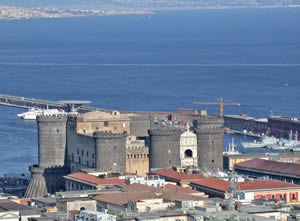
Check into the Grand Hotel Vesuvio. Lunch at Umberto.
Overview tour of the city by bus and on foot.
Naples was founded between the 7th and 6th centuries BC by the Greeks and was named Neapolis, which means new city. Because of its vast artistic heritage, the historic centre of Naples has earned the UNESCO World Heritage Site denomination.
Dinner at La Cantinella – a Neapolitan institution.
Overnight: Grand Hotel Vesuvio, Naples.
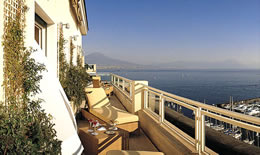
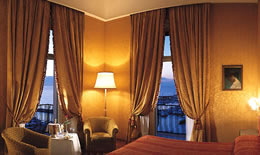
The 5-star Grand Hotel Vesuvio is centrally located on the waterfront,
overlooking Santa Lucia Harbor and the Bay of Naples. The guest rooms offer
exceptional views of the Mediterranean, Vesuvio, Capri, Sorrento, and
Posillipo. The atmosphere of old-world elegance gracefully combines with modern
comforts and personalized service.
|
friday september 16 |
|
|
Buffet breakfast in the hotel.
Visit of Herculaenum and Pompeii with the
collaboration of the Herculaneum Conservation Project team Sarah Court and Jo
Berry. 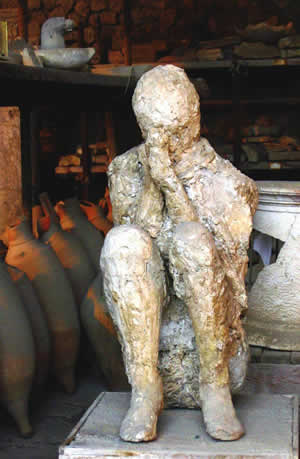
Ancient Pompeii was a pleasant and busy port town sitting at the base of the
vine-covered Mount Vesuvius. In the month of August in A.D. 79 Vesuvius
erupted, spewing a blanket of hot ash and volcanic pumice stone which covered
the town. The roofs of the buildings collapsed under the weight of
the volcanic detritus, killing 2,000 people. And there it lay
undiscovered until the late 17th century.
In 1748 excavation began, revealing a city frozen in time. All around, buildings have survived, often replete with paintings and sculpture. The discovery of Pompeii was one of the most influential moments in the history of 18th decorative arts. The paintings, pottery and sculptures found in Pompeii were immediately seized upon as models for the decoration of royal and aristocratic residences, including ceramics, furniture, fabrics, fashion and carpets. Another daughter of the Neoclassical style had been born and rapidly spread across Europe by architects and decorators like Robert Adam, pottery makers like Josiah Wedgwood and countless furniture and cabinet makers.
Lunch in Pompeii.
Visit of the Osservatorio
Vesuviano (Vesuvius Observatiory) with Dr. Giuseppe Mastrolorenzo.
Founded in 1841, by Ferdinando II di Borbone, king of Naples, the Vesuvius
Observatory is the oldest volcanology observatory in the world. Afternoon and
evening at leisure.
Dinner at leisure.
Overnight: Grand Hotel Vesuvio, Naples.
|
saturday september 17 |
|
|
Buffet breakfast in the hotel.
Visit of Archeological Museum with welcome by the Director Maria
Rosaria Boriello and tour with curator. 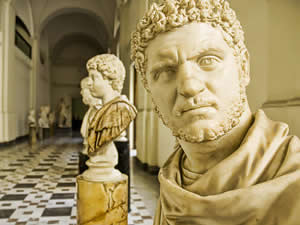
The Archeological Museum is housed in a large pink building originally erected
in 1585 as a barracks for the cavalry. In 1616 the building functioned as the
headquarters of Naples University. 160 years later the students were moved out
and in 1777 the museum was founded by Charles of Bourbon. Charles had inherited
the Farnese sculpture collection as well as numerous finds from Pompeii and
Herculaneum and this formed the core of the current collection. The museum is
one of the most important in the world for ancient art. With its fine
collections of sculpture, paintings, mosaics and various other objects, a visit
here provides a wonderful picture of Ancient Greek and Roman life.
Lunch and afternoon at leisure.
Final dinner in our hotel at the famous Caruso Roof Garden restaurant.
Overnight: Grand Hotel Vesuvio, Naples.
|
sunday september 18 |
|
|
Buffet breakfast in the hotel.
Individual departures throughout the morning.